
I WANT MY CHILDREN TO BE HAPPY II
In this chapter I propose to point out the three principles of the practice of parenthood arising from Positive Psychology and three of the various techniques to increase positive emotions (Seligman, 2011). In a future text (I WANT MY CHILDREN TO BE HAPPY III), I will talk about three other techniques.
WHAT TO KNOW ABOUT THE PRINCIPLES OF POSITIVE EMOTIONS
Through the application of these principles, children obtain:
- A psycho-biological bank account: “Positive emotions expand and develop the intellectual, social and physical resources that your children will have at their disposal in adult life” (p. 310).
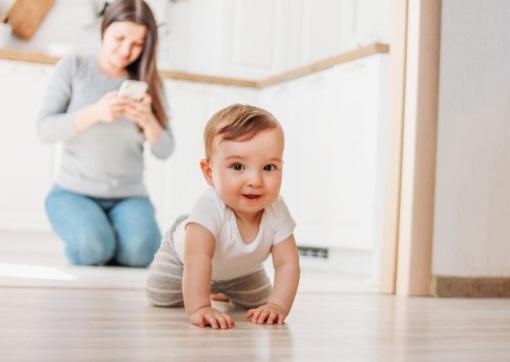
When the mother is absent and the child feels an insecure attachment, he will whine and cry, turning his back on the unknown, thus reducing his learning. When, on the contrary, his attachment is secure and the mother is present, he will be encouraged to explore the world, take risks and play, which will allow him to develop his resources.
- An emotional upward spiral: “Increasing positive emotions in your children can initiate an upward spiral of positive feelings” (p. 311), which works as follows: Positive Emotion → Exploratory Eagerness →Skill Development → Positive Emotion.
- A recognition of the legitimacy and authenticity of its positive traits. According to Positive Psychology, parents should consider equally important positive traits as well as negative ones, strengths and weaknesses, positive emotions as well as negative ones, both poles are equally genuine and important.
HOW TO INCREASE POSITIVE EMOTIONS
Seligman proposes several techniques to increase positive emotions. In this chapter we will talk about the first three:
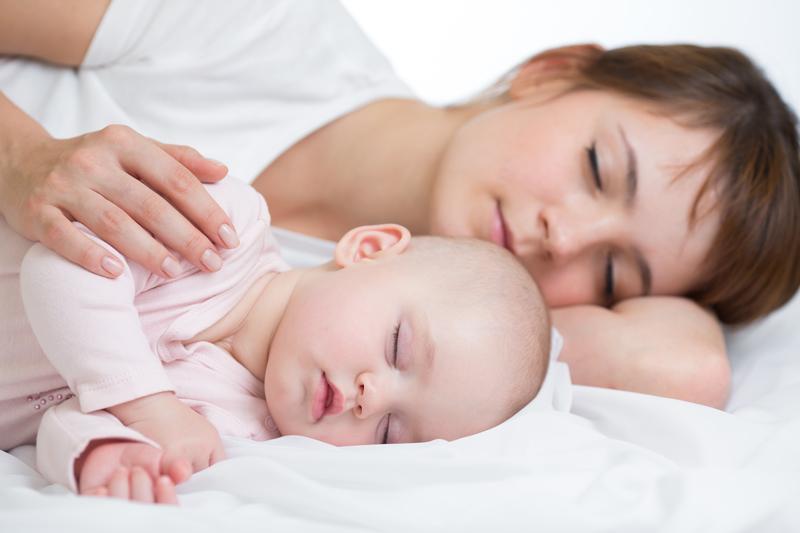
- Sleep with the baby. When the baby wakes up with his or her parents, a secure attachment is generated in the baby because of the quick and continuous attention, the fear of abandonment decreases and the feeling of being loved and valued grows.
Regarding possible drawbacks of this practice, Seligman (2011) points out: “it is difficult to imagine that evolution allowed negative consequences after the millennia that our species has spent sleeping with its babies” (p. 315).
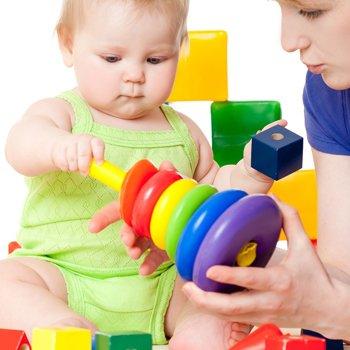
- Synchronous games. These aim for children to perceive and experience the relationship between their actions and their consequences. This perception of control on the effects of one’s own behavior, has highly positive effects; whereas not having it, repeatedly, produces passivity, depression and deterioration of health.
Experiencing some failures will make it possible for children to learn to overcome them and manage the negative emotions they generate. What is desirable, however, is that the perception of control prevails.
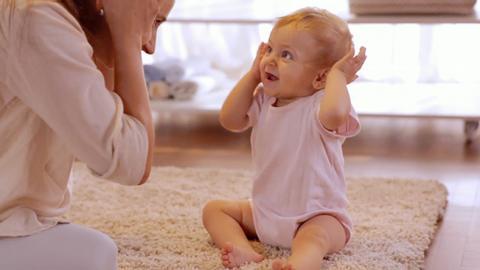
The interactive or synchronous game is not only fun, it also significantly enriches the perception of control. It consists of imitating the behavior of a child in its different expressions. For example, if the baby hits the table once, the family member does the same, if the child hits it twice, you do the same, and so on.
- No and yes. It is also essential that children grow up feeling that the ´yes´ prevails over the ´no´. Although they need the ´no’s´, that is, they need limits; too often these ´no’s` have the sole function of allowing parents to escape a situation they dislike. In other words, the ´no s´ are not said to set the limits that must be placed on the children, but to satisfy the well-being of the parents.
“If your child hears an angry ‘no’ at every moment, when he finds himself in a new situation he will expect a ‘no’, with all the passivity and lack of control associated with that expression” (p. 319).

The limits must be set, without a doubt, but being careful to provide or negotiate the positive alternatives in each situation. For example, if we are in a park, it is advisable to warn the children that we have 15 minutes left. If we are in a toy store, indicate how and when the child can get what he or she is asking for.
In my book WHAT DO I DO NOW? NO ONE TAUGHT ME HOW TO BE A MOM! you’ll find this and 26 other common problems in children from birth to age 12. In relation to this specific topic you can check out What should I do if all I want for my children is for them to be happy? And Inducing emotions
You can also check in this same Blog: I want my children to be happy I, as well as visit Facebook and Twitter. I appreciate any comments, questions, suggestions or criticisms you may have. They will be welcome and I will gladly address them.
BIBLIOGRAPHIC REFERENCE:
Martin Seligman (2011): Authentic happiness, Zeta, Barcelona, Spain.
