
A FRIEND OF MY SON PASSED AWAY
How many times have we observed situations in which adults are clearly disturbed by a death, or other unfortunate event that has occurred, and it seems to us that children are not affected by the event?

We may wonder if it is convenient to talk about the subject with them, and it is likely that we often choose to ´leave them alone`, in the vain hope that it is not actually hurting them. Is that the right thing to do?
WHAT TO KNOW ABOUT CHILDHOOD PAIN IN THE FACE OF DEATH
It is true that children do not usually talk about, and perhaps do not know, what may be tormenting them. However, there are signs that are indicators of their suffering, such as: flu that lasts longer than expected, disinterest in activities they like, nightmares, distraction, anxiety, loss of appetite, reversal in their development, and the like. In these cases, it is necessary that the children express their pain.
HOW TO ADDRESS CHILDHOOD GRIEF IN THE PRESENCE OF DEATH
As it is usually difficult for children to do it directly, we can look for means to ´talk´ about it. For example, we can ask them to make a drawing related to the subject that is causing them pain, or tell them a story, or use dolls and toy animals to represent a story similar to what happened, in which the protagonist loses a very dear family member or friend – dad, brother or cousin, as the case may be – which makes the protagonist very sad, but knows how much that person loved him.
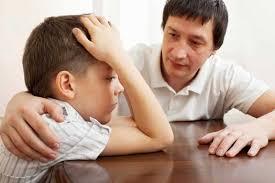
It is also important to show them how the affected person in the story, despite their pain, knows how to progressively overcome it. What should not be done is to idealize and, ultimately, lie about death. It must be viewed realistically. If children cry, hug them and allow them to vent their feelings.
However, after that moment of expression of sadness, we must make them understand that they must continue with their routine activities. It is essential that everyone at home, as well as anyone who at any time is in charge of the children involved, maintain the same vision and strategy.
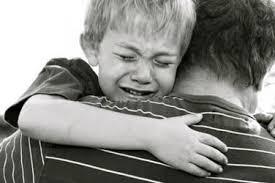
If this is done consistently, combining understanding and expression of pain, without abandoning daily discipline, children will learn to emerge stronger from suffering. “Death should not be silenced or disguised,” says Knobel (2013).
In my book WHAT DO I DO NOW? NO ONE TAUGHT ME HOW TO BE A MOM! You’ll find this and 26 other problems common in children from birth to 12 years of age. In relation to this specific topic you can review What should I do if a friend of my son has left us? And Inducing emotions
You can also consult in this same blog: Educate and Experiment and show empathy, as well as by visiting Facebook Urquia Larralde (psykia) and Twitter psykia20
I appreciate any observations, questions, suggestions or criticisms you want to make through psykia20@gmail.com. You will be welcome and I will gladly reply.
BIBLIOGRAPHIC REFERENCE:
Knobel, Joseph (2013): The challenge of being parents, Edit. Melvin C.A., Venezuela).
