
EDUCATE
After having written the book, WHAT DO I DO NOW? NO ONE TAUGHT ME HOW TO BE A MOM! I came to the conclusion that educating our children consists of doing three fundamental things:
- To become a rewarding presence to them, and a model worthy to be imitated,
- To give attention, understanding, respect and love, versus momentarily suppressing them, for the sake of naughtiness.
- To administer rewards or punishments based on principles and rules previously considered

This covers much of what needs to be done, but of course this is easier said than done. The first task is essential, nothing we intend to do or say will be worthwhile if we are not a gratifying presence and a model worthy to be imitated (Bandura, 1987).
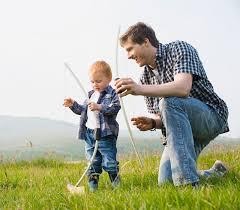
This means that before anything else we would have to self-educate, to put our values, visions, beliefs, and convictions in order. See that these are consistent with each other, as well as our feelings and conducts (Bandura, 1987).
However, in addition to being consistent internally, we would have to know how it influence in the way we educate our children. We would need to be very aware that it is our convictions, which guide us in the way we educate our children, and not our constant change of moods, frustrations, anger, fear, or sadness (see blog “Should parents influence their children?”)
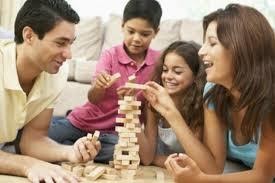
We would also have to know how to find opportunities to cheerfully share time with them, and at the same time offer them stimulating opportunities for their development.
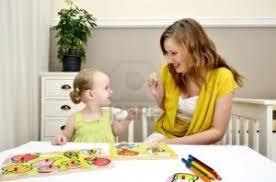
The second task is just as important. Children need to feel cared for, loved, understood in their successes and failures, in their happiness and pain, in their doubts and shyness, as well as in their dreams and beliefs.
Martin Seligman says that children need to feel special toward their parents, that they recognize their achievements and that they encourage and console them in their mistakes, as well as being listened to in their uncertainties and dreams. This way, their achievements will grow, they will overcome their mistakes and will shape their own convictions (see in this blog: I want my children to be happy)
But it is not less certain that, in some moments, when they have to suppress a wrong or hurtful behavior or that it doesn’t correspond with the child’s age, which has been duly explained, for example: a temper tantrum because he is not pleased with a certain inconvenient whim; we need to drastically, though momentarily, suppress all form of attention and understanding, without even looking at him (see blog “My son has temper tantrums”)
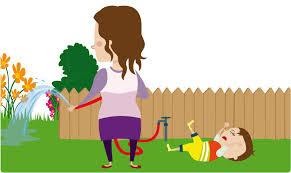
In this sense, it is essential to distinguish between the expressive crying, which requires understanding and support, from the functional or manipulative crying, which should be absolutely ignored, while it lasts.
The third task is for life, the administration of rewards and punishments based on the principles and rules previously considered. The first to strengthen the appropriate conducts and personal virtues; the second, to weaken o eliminate unwanted behavior. (Millenson, 1976)
It is necessary to understand that the rewards can be material objects, but also recognition, caresses, permitted activities. If we have complied with the first requirement: to be ourselves a gratifying and dear presence, an approving smile over something good that our child did can be more significant (see blog: “To reward children”)
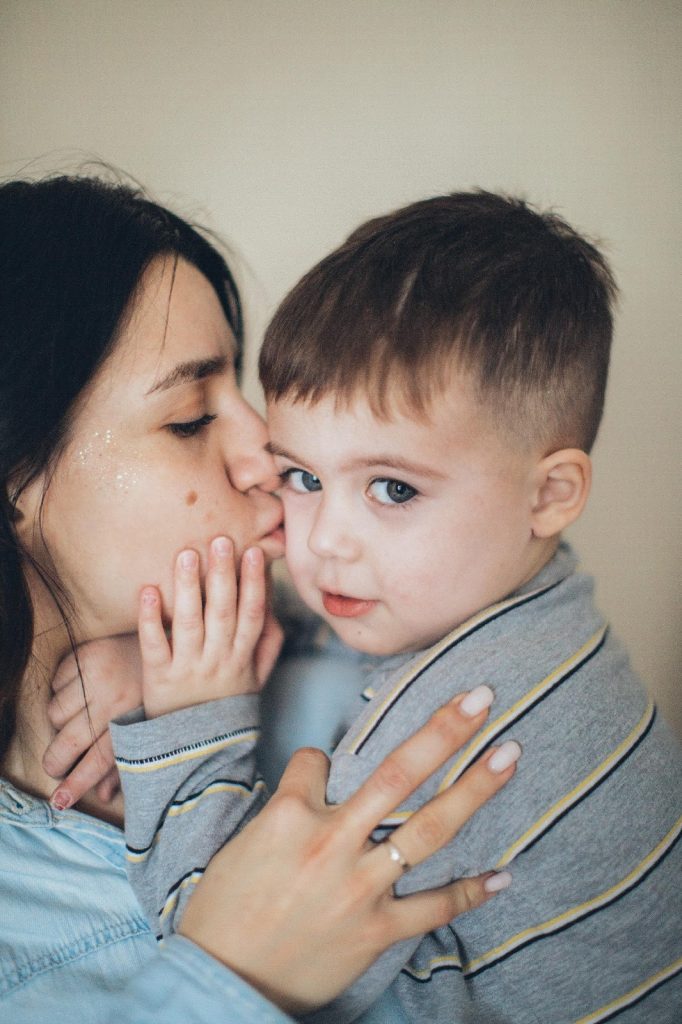
As far as punishments is concerned (see blog “To punish children”) we have to take into account that these only work to suppress conducts, never to develop them and, although they are indispensable in moments in which a bad behavior shouldn’t go unnoticed, It is certain that we need to be careful of not using them excessively or inappropriately, and that it is the rewards, caresses, recognitions, and the manifestations of love, which should predominate in a good education.
In my book WHAT DO I DO NOW? NO ONE TAUGHT ME HOW TO BE A MOM! You will find 27 common problems in children from birth to 12 years. In relation to this issue of children’s education you can go to the section WHAT CAN I DO IF MY CHILDREN…? As well as the themes Reinforcing behaviors, Becoming rewards ourselves, Extinguishing behaviors and Punishing behaviors or any other technique located in PART II PSYCHOLOGICAL PROCEDURES USED
You can also visit Facebook Urquia Larralde (psykia), Instagram @psykia20 and Twitter @psykia20. I appreciate any comments, questions, suggestions, or constructive criticism that you want to make through psykia20@gmail.com or by WhatsApp: +58 414 929 1676. They are welcome and I will gladly answer them.
BIBLIOGRAPHIC REFERENCE:
Bandura, Albert (1987): Pensamiento y Acción. Fundamentos Sociales, Publisher Martínez Roca, Barcelona, España.
Millenson, J.R. (1976): Principios de Análisis Conductual, Trillas, México.
Seligman, Martin (2011): La Auténtica Felicidad, Publisher Zeta, Barcelona, España.

I am only writing to make you understand what a remarkable experience our princess undergone viewing your webblog. She picked up such a lot of things, with the inclusion of what it is like to possess an ideal teaching spirit to make the mediocre ones without difficulty master specified tortuous topics. You undoubtedly surpassed readers’ expected results. Thanks for rendering those useful, trustworthy, revealing as well as unique tips on your topic to Sandra.
Hello. impressive job. I did not imagine this. This is a splendid story. Thanks! https://hairlossbimedi.com buy hair loss medication
Great post! I choosed wordpress, because of the large community behind it. Every problem, you can go to the wordpress forum, men the mass of helpful reaction you receive is insane!
https://liveone9.com/totosite/
Really informative blog. Awesome.