
IS IT ENOUGH THAT THEY ARE NOT TRAUMATIZED?
I have often heard, as an excuse for spanking a child: “He will not be traumatized by it”; but let us think a little, my friend reader. As parents, is it right to think that is enough that our children are not traumatized? Is this all we hope to achieve through our educational action?

Before the discovery of penicillin and vaccines, no one was surprised when a child died. Illness and premature death were seen as painful but inevitable events. They were God’s or nature’s “plans”, and all that remained was resignation.
Today, at least in countries and social groups that enjoy a certain level of well-being and education, this fatalistic view of morbidity and mortality has been overcome. But it persists as far as mental health is concerned.

When a child is shy, hostile, restless, rebellious, uncommunicative or any other characteristic that does not satisfy us, we tend to see it as something inherent to him, we think that it is his genes or that he is simply “that way” from birth.
In my opinion, we have not discovered vaccines, nor the psycho-pedagogical “penicillin” or, even worse, we do not know them, that is, psychological science has some tools to offer for the promotion of children’s health and happiness, but they have not been sufficiently disclosed

Perhaps it happens that, while medical prescriptions are administered at a particular time, psycho-pedagogical care is a permanent day-to-day issue, which requires us, parents, to work incessantly, no matter if we are tired, stressed, bad-tempered or discouraged.
Even if we are able understand our very human and understandable reactions from our point of view; the truth is that they do have an effect on the psychological development of the child. That hostile attitude of your child: Could it be the result of that time when, going through an economic and marital crisis, you did not pay enough attention to him or her?
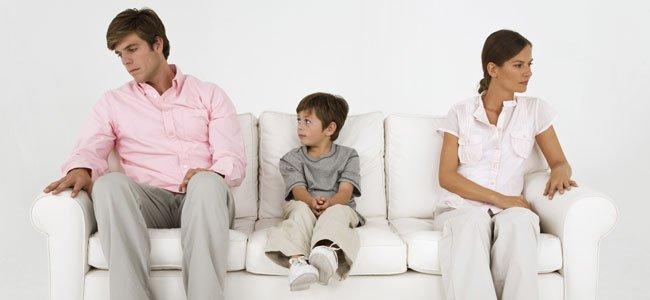
We could give endless examples, what I mean is that we do not have the habit of relating our children’s “ways of being” to our own behavior, to what we have done or not done; and, more importantly, to what we can still do!
It would be essential that we face our children’s education with more rationality and less clichés, that we inform ourselves properly, that we reflect thoroughly, that we consider what we want them to achieve, while respecting their tendencies and decisions, that we understand that we have in our hands the most delicate, demanding and transcendent task; which can bring us, depending on our mistakes or successes, enormous pain or great satisfaction.
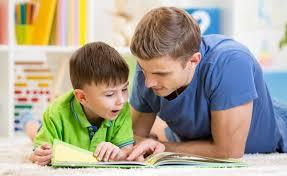
No! It is not enough our children are not traumatized! If any task deserves that we set high and noble goals, and this is contributing, correctly and systematically, in the development of a fulfilled, happy and productive being, for their own good, that of their family and society.
The “psycho-pedagogical penicillin” in fact exists, it is true that it is a repeated and consistent work, but the effort, believe me, will bring great satisfaction.
In my book WHAT DO I DO NOW? NO ONE TAUGHT ME HOW TO BE A MOM! You’ll find this and 26 other common problems in children from birth to age 12. In relation to this specific topic, you can check out Reinforcing behaviors, Becoming rewards ourselves and Modeling behaviors, thoughts and feelings
You can also check in this same Blog: Educate, To punish children, Guiding our children, Discipline with love and Should parents influence their children? More information can be found, as well, by visiting Facebook Urquia Larralde psykia y Twitter @psykia20. I appreciate any observations, questions, suggestions or criticisms you want to make. Your comments will be welcome and I will gladly reply.
