
BOOSTING GOOD BEHAVIORS
When we talked about the development of good habits, we mentioned that parents had to be very systematic and rigorous when granting rewards, because habits are exceedingly hard to modify.

How often have we made a resolution to exercise weekly, or to avoid eating some particular food, or to stop smoking, etc. only to fail at our intent? Sometimes we even manage to do it, only to go back to our routine after a short period of time. I don’t mean to imply it’s impossible; rather, I want to emphasize the need to be very precise when granting rewards.

However, beyond the issue of the development of habits, there are many opportunities for rewarding our children’s habits in a more spontaneous manner. In fact, we do that all the time with an approving look, a kiss, a wink of the eye; we have these very powerful means at hand always.
WHAT SHOULD WE KNOW ABOUT REINFORCING GOOD BEHAVIOR?
We know that rewarding good habits results in the reinforcement of this behavior in the future. There are many kinds of rewards, from a simple acknowledgment to the expensive, important object. There are also many other ways, such as sharing activities, smiling, showing affection, in which humans interact without being aware of the influence we exercise on others. (Sundel and Stone, 1981).
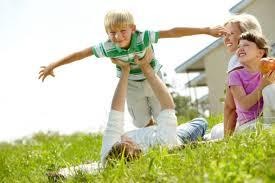
However, it would be excellent if we could really appreciate the power reinforcement has so that each positive action our children take would be followed by due acknowledgment. The result would most likely be an increase in good habits, and an overall improved family atmosphere.
HOW TO IMPROVE THE CHILDREN’S GOOD BEHAVIOR
In my book WHAT DO I DO NOW? NO ONE SHOWED ME HOW TO BE A MOM! you’ll find a series of examples of habit reinforcement, such as, when we pay attention, hence, reinforce Gisela’s curiosity on the issue of where babies come from by answering her in a quick, kindly, simple manner.

Likewise, we helped Andrea to develop a taste for food by serving her small portions and creating a pleasant atmosphere when she was eating. Isabel was about to have a new brother so we reinforced her behavior as the big sister!
We helped Johnny, who had been bullied, to improve his self-esteem by complementing his skills. Beatriz was sexually abused, so we are very attentive to any little thing she might say regarding the issue.
In order to help Enrique with his techno addiction, his parents began to share activities with him. We told Susana whose kids won’t obey her, that although she will have to punish them occasionally, she has to make sure she rewards them when they behave, as she shouldn’t relate to them exclusively thorough punishment.
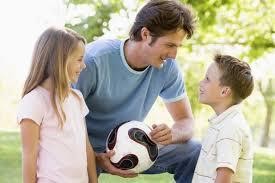
And Jessica, who only wants her children to be happy, has to give them a lot of reinforcement, along with setting the necessary limits.
As we can see, there are a thousand and one ways in which to reward good behavior. Generally, we do so without being aware of it, but if we are more sensitive to this, it can help us to do it better, more frequently, to everyone’s benefit. People who contest rewards are probably thinking about expensive, material objects. That’s a silly notion! They have no idea what a simple, kind, approving, look can achieve!
You can also look over other chapters in my book WHAT DO I DO NOW? NO ONE TAUGHT ME HOW TO BE A MOM! besides other 27 frequent problems in children from birth to the age of twelve), are: Developing habits through immediate reinforcement. Reinforcing behaviors.
In that same Blog you can also check To reinforce children, Educate, and Developing good habits; likewise, you can visit Facebook at Urquia Larralde (psykia), Twitter @psykia20 e Instagram @psykia20
I welcome your comments, questions, suggestions or criticisms at psykia20@gmail.com, or via WhatApp: +58 414 920 1676, and will gladly address them.
BIBLIOGRAPHIC REFERENCE:
Sundel y Stone Sundel (1981): Modificación de Conducta Humana. Published by Limusa, México.
